


 Career Pathways
Histology vs Microbiology: Which Laboratory Career Path Is Right for You?
Biomedical science offers many exciting career opportunities, but choosing the right specialism can be challenging.
Two of the most popular pathways are Histology and Microbiology. Both play vital roles in healthcare, yet they involve very different types of laboratory work.
What Is Histology?
Histology focuses on studying human tissues to help diagnose disease.
Laboratory professionals prepare tissue specimens so pathologists can examine them under a microscope.
Typical responsibilities include:
- Tissue processing
- Embedding specimens
- Microtomy
- Slide staining
- Quality control
- Preparing slides for diagnostic reporting
Histology requires excellent attention to detail and precision.
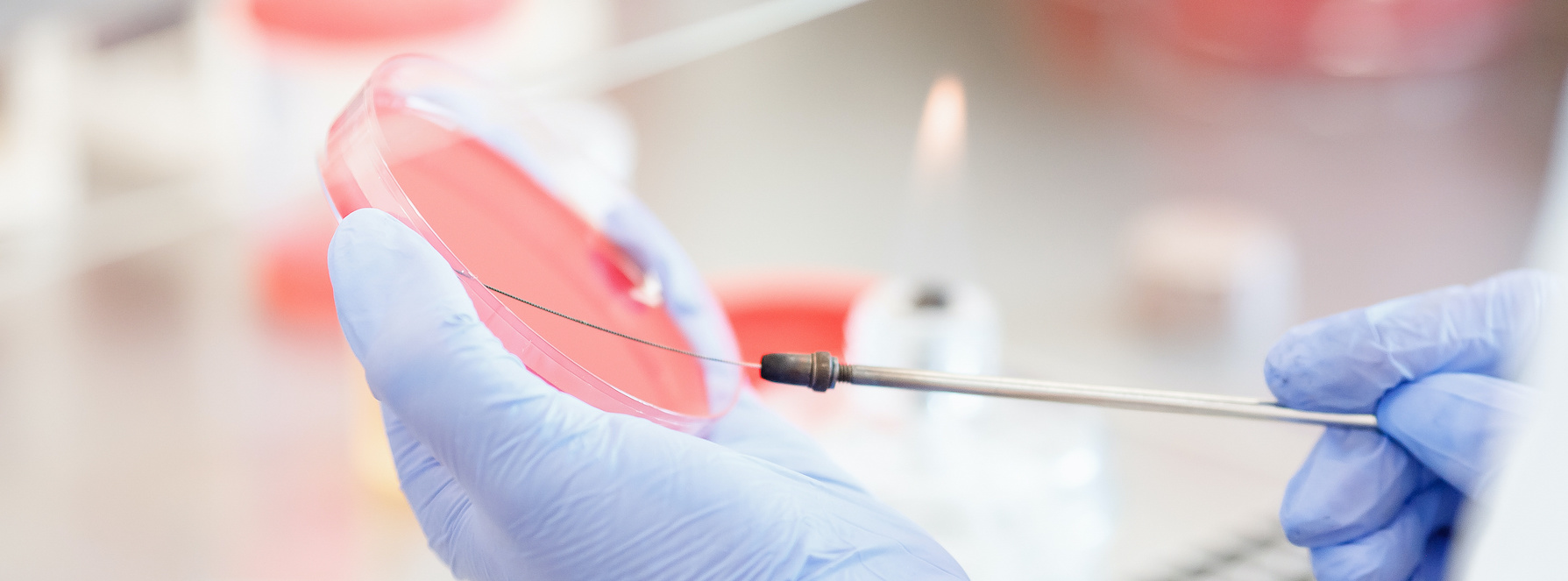
What Is Microbiology?
Microbiology focuses on identifying bacteria, viruses, fungi, and parasites that cause infectious diseases.
Professionals working in microbiology help clinicians diagnose infections and guide appropriate treatment.
Common activities include:
- Specimen reception
- Culture preparation
- Identification of microorganisms
- Antimicrobial sensitivity testing
- Quality assurance
- Laboratory reporting
Microbiology often involves a fast-paced environment where rapid and accurate results are essential.
Which Skills Suit Histology?
Histology may be ideal if you enjoy:
- Precision
- Fine technical work
- Microscopy
- Following structured laboratory procedures
- Working with tissue samples
Individuals who enjoy meticulous, detailed work often thrive in histology.
Which Skills Suit Microbiology?
Microbiology may suit you if you enjoy:
- Problem solving
- Investigating infectious diseases
- Scientific investigation
- Dynamic laboratory environments
- Understanding microorganisms
Those with strong analytical skills often enjoy microbiology.
Career Opportunities
Both disciplines can lead to rewarding careers within:
- NHS pathology laboratories
- Private diagnostic laboratories
- Research organisations
- Universities
- Biotechnology companies
- Pharmaceutical organisations
Career progression may include senior laboratory positions, specialist practice, management, education, or research.
Why Practical Training Matters
Whether you choose Histology or Microbiology, employers consistently value practical laboratory experience.
Developing hands-on competence allows candidates to understand real laboratory workflows, improve technical ability, and build confidence before entering employment.
Practical exposure also helps students determine which laboratory environment best matches their interests and long-term career goals.
Final Thoughts
There is no universally better discipline, only the one that best aligns with your interests, strengths, and career ambitions.
Both Histology and Microbiology offer exciting opportunities to contribute to patient care, scientific advancement, and public health. Gaining practical experience in each area can help you make an informed decision and prepare you for a successful career in laboratory science.